

Trump said Kharg Island was destroyed. Tehran called it fiction. In this war, the tape is the only honest signal.
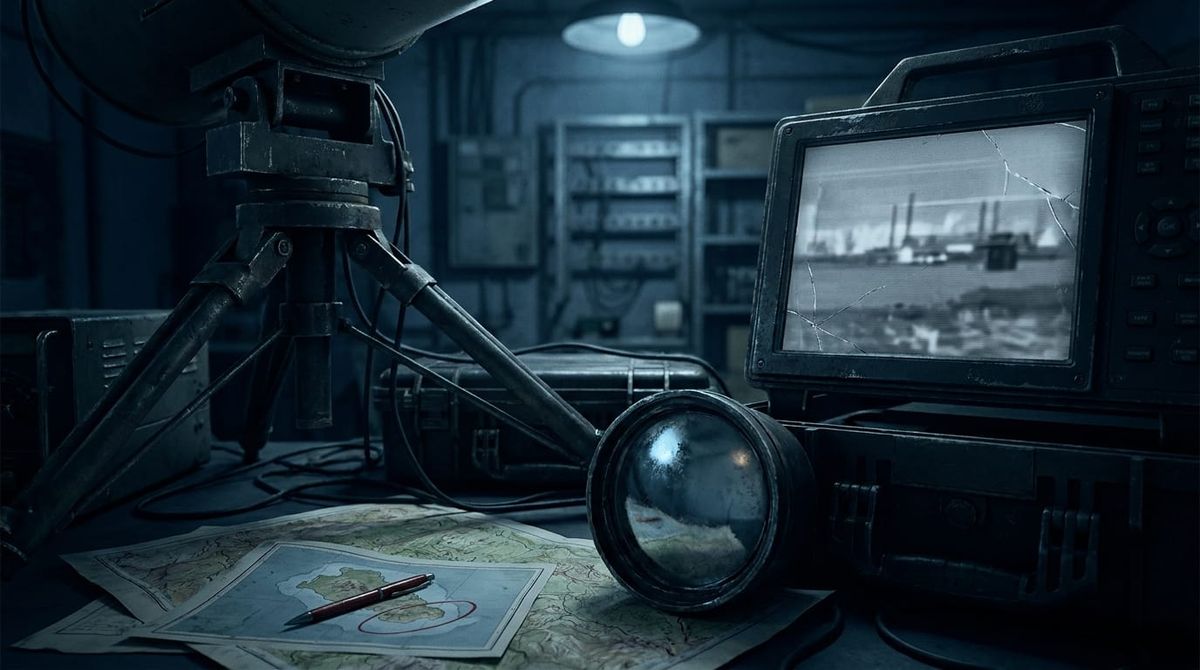
Brent crude rose 2.95% to $90.70 a barrel (according to Rio Times), climbing above $90 for the first time in roughly a week as renewed U.S.-Iran conflict over the Strait of Hormuz disrupted oil flows (according to Yahoo Finance). But the real story isn’t the headline price — it’s the physical flow of oil through the Strait.
U.S. forces struck Iranian launchers on Larak Island where the military was allegedly staging rockets with sea mines; CENTCOM called it ‘limited, precise’ action against an ‘imminent threat’ (according to Yahoo Finance / Rio Times). Iran retaliated with drones targeting Jordan and the UAE, seized a bulk carrier near Bandar Abbas, and claimed a tanker caught fire — a disputed, unverified cause — in the first direct exchange of fire between the two militaries in a month (according to Yahoo).
The Physical Shutdown Is the Real Driver
Oil flows out of the Persian Gulf have climbed to around two-thirds of pre-war levels (according to Yahoo Finance (Goldman Sachs)).
The Refined-Products Squeeze Nobody Leads With
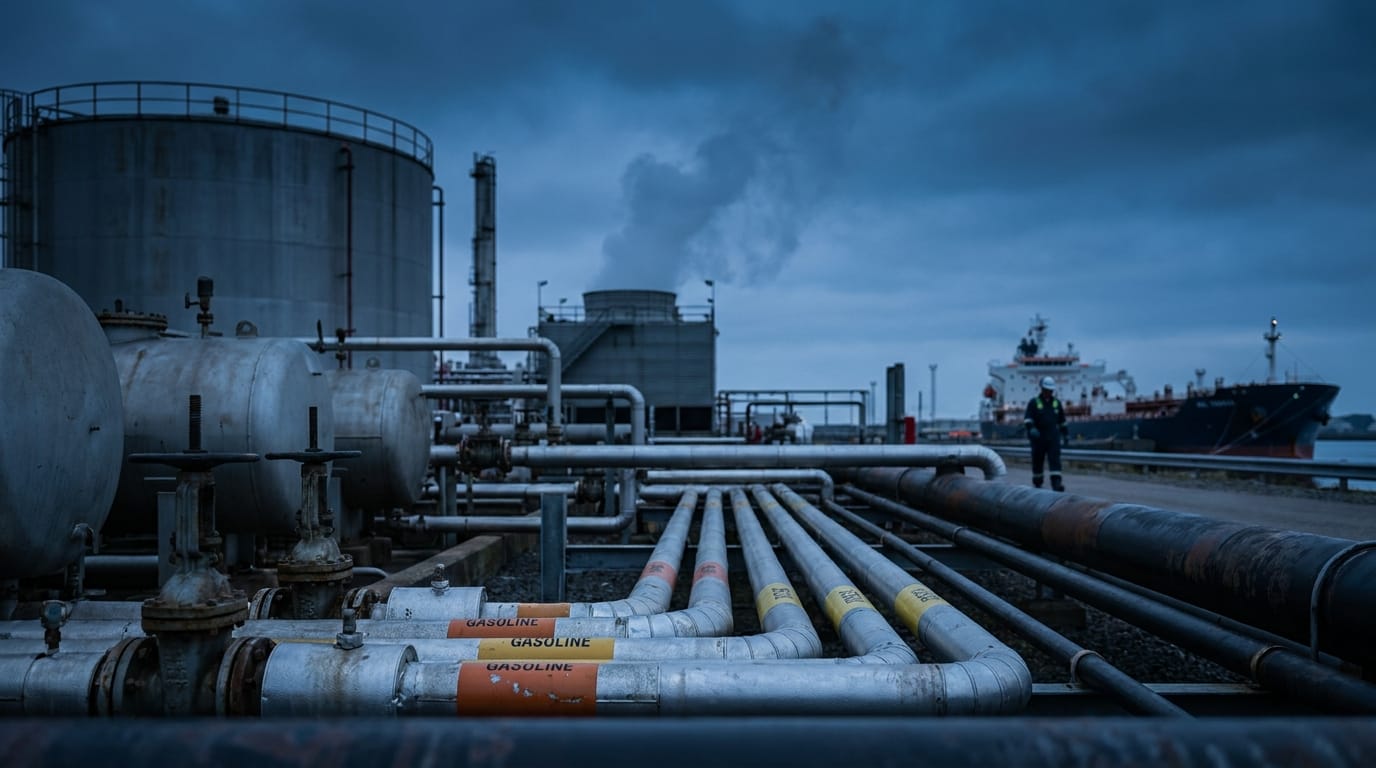
Even with crude flow back to two-thirds of pre-war levels, Goldman Sachs research shows gasoline and diesel remain stretched (according to Yahoo Finance). This is the crack-spread story: crude supply can normalize while refined-product margins stay tight.
The Kharg Claim and the Credibility Problem
Trump claimed Kharg Island was destroyed; Tehran dismissed the claim as fiction (according to Rio Times). In a war where information is this contested, the tape is the only honest signal — traders believe the guns more than the words.
Iran’s military claims a tanker struck a mine while attempting an unauthorized crossing, while U.S. Central Command says it de-mined the waterway and that no vessels hit mines — the uncertainty itself is why traders are pricing risk premium into the tape.
The Fog of War Is Now a Pricing Input
Iran claimed a strike on Al Minhad air base in the UAE, which Abu Dhabi dismissed as false, though the UAE did confirm engaging a drone that came from Iran over its territorial waters. On the Kharg claim, Reuters found no evidence, manipulation software flagged the clip as likely AI-generated, and NIOC says operations continue — a credibility gap that argues for trusting price action over official statements.
What This Means for Your Energy Exposure
There are two distinct trades here: crude-beta funds (USO, BNO track the run-up in crude) versus equity/refiner exposure that captures the crack spread.
Name the risk both ways: crude ETFs face reversal risk if a Hormuz de-escalation materializes — the two-thirds recovery figure is the mean-reversion risk. The real trade isn’t crude ETFs — it’s the crack-spread and refiner exposure the headlines ignore. A demining confirmation or negotiated reopening is the downside catalyst; sustained disruption is the upside.
The tape is pricing physics, not politics, and until three-ships-a-day becomes eighty-five, the risk premium in energy is a structural fact, not a headline. Watch the crack spread, not the crude headline, and position your energy exposure accordingly.
Stay focused. Stay calm.
Sources
riotimesonline.com — Oil Jumps 3% as Iran Reports Tanker Fire in the Strait of Hormuz and Denies Trump's Kharg Claim
ca.finance.yahoo.com — Oil prices surge higher as US and Iran exchange fire for first time in a month
morningstar.com — Dow Jones Top Energy Headlines at 7 AM ET: Oil Rises as U.S.-Iran Tensions Escalates
leftvoice.org — Epic Fury, Epic Failure: Seven Months of War Against Iran
Comments ()